Weddings are more than just ceremonies; they are a celebration of love that varies greatly across cultures. Each tradition brings with it a rich tapestry of customs, beliefs, and rituals that honor the union of two individuals. Exploring these unique wedding practices can inspire couples as they plan their own special day, offering insights into how love is celebrated globally.
In many cultures, weddings hold deep religious significance. Traditional church weddings are often steeped in spiritual rituals, conducted in places of worship where couples exchange vows in front of family and friends. These ceremonies frequently include elements such as readings from sacred texts, prayers, and blessings, emphasizing the couple’s commitment not only to each other but also to their faith. The presence of community in these ceremonies highlights the support system surrounding the couple, reinforcing the idea that marriage is a union that extends beyond just the two individuals.
On the other hand, civil weddings provide a secular alternative, focusing on the legal aspects of marriage without religious affiliations. Often held in courthouses or municipal venues, these ceremonies are typically shorter and more straightforward. However, civil weddings offer couples the opportunity to personalize their vows and incorporate meaningful elements, ensuring that the ceremony reflects their unique relationship. This approach appeals to many modern couples who may wish to celebrate their love in a more personal and less traditional way.
For those with a sense of adventure, destination weddings have gained popularity in recent years. These ceremonies are held in picturesque locations far from the couple’s hometown, merging travel with celebration. Whether it’s a beach in the Caribbean, a vineyard in Tuscany, or a charming castle in Ireland, destination weddings offer stunning backdrops that enhance the romantic atmosphere. Couples can create unique experiences for their guests, incorporating local traditions, cuisine, and activities into the celebration. However, planning a destination wedding requires careful consideration of logistics, including travel arrangements and accommodations, making it essential to choose a location that is both beautiful and accessible.
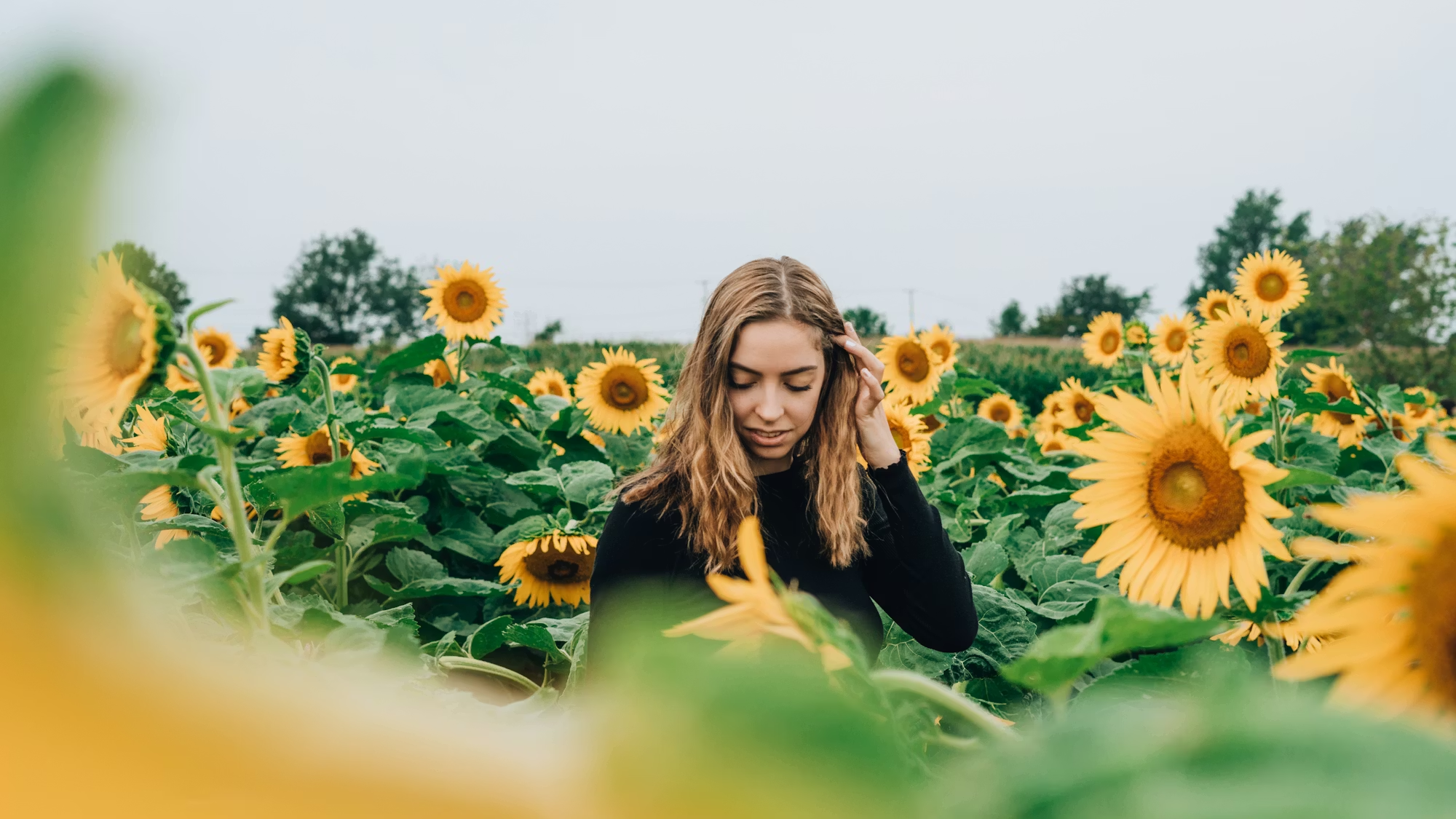
Outdoor weddings have also become increasingly popular, providing a natural setting that beautifully complements the love story being celebrated. From garden ceremonies to beachside receptions, outdoor venues offer a scenic backdrop that can be tailored to reflect the couple’s personalities. The relaxed atmosphere of an outdoor wedding often allows for greater creativity in decor, with couples incorporating floral arrangements, fairy lights, and nature-inspired elements. The flexibility of outdoor settings also opens the door to unique themes and personal touches that can make the day even more special.
Diving into cultural traditions, Indian weddings are known for their vibrant ceremonies and rich rituals. Typically spanning several days, these celebrations are filled with color, music, and dance, featuring events like the Mehendi (henna ceremony) and Sangeet (musical night). The bride and groom often wear stunning traditional attire, adorned with intricate jewelry that enhances the festive atmosphere. Each event is steeped in cultural significance, emphasizing the importance of family and community involvement, and highlighting the beauty of love celebrated through tradition.
Similarly, Chinese weddings incorporate a variety of meaningful customs and symbols. A central feature is the tea ceremony, where the couple serves tea to their elders as a gesture of respect and gratitude. The color red, symbolizing luck and happiness, dominates the decorations and attire, with brides often wearing a traditional qipao. The festivities may also include games and the exchange of gifts, showcasing the importance of familial blessings and good fortune in the couple’s new life together. This blend of symbolism and community participation makes Chinese weddings a rich tapestry of tradition and love.
Jewish weddings are characterized by their unique rituals, which often include the signing of the ketubah (marriage contract) and the breaking of a glass, symbolizing the fragility of relationships. The ceremony is traditionally held under a chuppah, representing the couple’s future home. In these celebrations, family and friends play a vital role, offering blessings and sharing in the joy of the couple. The rituals not only emphasize the couple’s commitment to each other but also their connection to their heritage and community, making the day deeply meaningful.
In many African cultures, weddings vary significantly from region to region, reflecting a rich diversity of traditions. Some ceremonies may involve elaborate attire, vibrant music, and energetic dance, emphasizing the communal aspect of the celebration. Family members often participate in important negotiations and rituals, reinforcing the idea that marriage is not just a union of two individuals but a joining of families. This cultural richness brings a unique vibrancy to African weddings, showcasing love in all its forms.
In Western cultures, the traditional white wedding remains a popular choice. Characterized by the bride wearing a white gown and the groom in formal attire, this style has become synonymous with elegance and romance. The ceremony is typically conducted in a church or other formal setting, followed by a reception filled with traditional elements such as speeches, the first dance, and cake cutting. While many couples embrace these traditions, there is also a growing trend towards personalization, where couples incorporate unique elements that reflect their story, interests, and values into the celebration.
Themed weddings have emerged as a creative way for couples to express their individuality. From vintage-inspired celebrations to fairy-tale themes, couples can tailor every aspect of their wedding to reflect their passions and interests. This can include everything from attire to decor to entertainment, creating a cohesive experience that captivates their guests. A rustic wedding might feature burlap accents and mason jar centerpieces, while a glamorous Hollywood-themed wedding could incorporate red carpets and vintage film decor. Themed weddings not only allow for creativity but also create lasting memories that showcase the couple’s unique love story.
For couples desiring a more intimate celebration, elopements and micro weddings have become increasingly popular. These smaller gatherings focus on creating a personal experience, often with just a few close friends or family members in attendance. Elopements allow couples to escape the pressures of traditional weddings, concentrating solely on their love and commitment. This trend often leads to breathtaking ceremonies in serene locations, where couples can exchange vows in a peaceful and romantic atmosphere, away from the distractions of larger celebrations.
Virtual weddings have also emerged as a modern solution for couples looking to celebrate their union amid various challenges. Utilizing online platforms, couples can live stream their ceremonies, inviting loved ones from around the world to join in the celebration. This innovative approach ensures that family and friends who cannot attend in person can still witness the exchange of vows and participate in the joy of the day. Couples can enhance their virtual ceremonies with personal touches such as pre-recorded messages, interactive elements, and shared vows, creating a memorable experience for all attendees.
In conclusion, weddings around the world are a beautiful reflection of love, culture, and tradition. From elaborate ceremonies steeped in religious significance to intimate gatherings focused on personal connections, each wedding tells a unique story. By exploring these diverse traditions, couples can draw inspiration for their own celebrations, infusing their wedding day with elements that hold personal meaning. Regardless of cultural differences, the essence of weddings remains the same: a joyous celebration of love that unites families and communities, creating cherished memories that last a lifetime.